
How to Interview an Architect in Colorado: A Guide to Finding and Working with the Right Firm
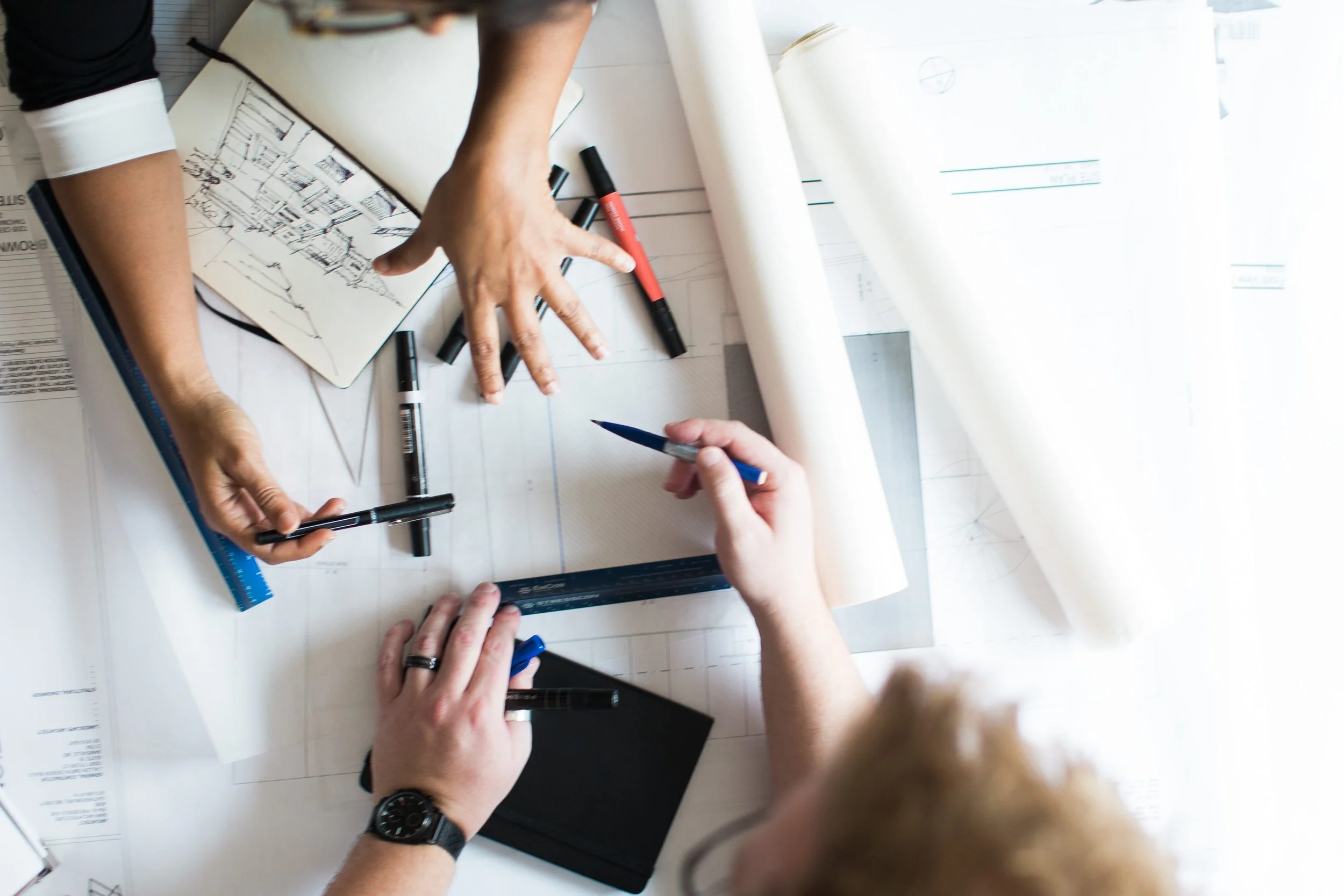
Choosing an architect is the first major decision in any custom home, new build, or high-performance retrofit — and it's a decision that shapes everything downstream, from your budget to your builder relationship to how the finished home actually feels to live in. In Colorado, where projects range from high-alpine new construction to sustainable urban infill to award-worthy architectural statements, the right architect isn't just a designer. They're a creative partner and technical guide through a genuinely complex process.
Here's how to find the right architect for your project, what to ask them, and why — for many homeowners — a small firm working directly with its owners is the better path.
Start by Defining What Kind of Project You're Building
Before you interview anyone, get clear on what you actually need. Colorado's architecture landscape spans several distinct specialties, and not every firm is strong in every one:
- New custom homes, from mountain properties to in-town infill lots
- Sustainable and passive house retrofits, where energy performance, air-sealing, and mechanical systems are as important as aesthetics
- High design, award-worthy projects, where the architecture itself is a statement — bold forms, considered material palettes, and a design sensibility strong enough to be recognized by peers and publications
If your project leans toward energy performance and passive house standards, you want a firm that can speak fluently about building envelopes, air changes per hour, and mechanical ventilation — not just aesthetics. If you're after high design, you want to see a portfolio with real range and confidence, not just competent execution. Many firms do a bit of everything; fewer do all of it exceptionally well. Know which matters most to you before you start interviewing.
Questions to Ask When Interviewing a Colorado Architect
1. "Can you show me projects similar to what I'm envisioning?"
Ask to see full project galleries, not just highlight reels. If you're planning a passive house retrofit, ask specifically for retrofit work — new construction experience doesn't always translate to the unique challenges of upgrading an existing envelope. If you want high design, ask which of their projects they're proudest of and why. Their answer will tell you a lot about their design philosophy.
2. "How do you think about design quality, and what would an award-worthy project look like to you?"
Awards and publications are one useful signal of design quality, but they're not the only one — plenty of exceptional architects are heads-down doing great work without chasing recognition, especially smaller or newer firms. Rather than treating "has this firm won awards" as a pass/fail filter, ask the question underneath it: what does this architect consider their best work, and why? Do they talk about proportion, light, material honesty, and how a space feels to live in — or do they mostly talk about square footage and finishes?
If a firm has been recognized by the AIA or published in design outlets, that's worth asking about directly, and it's a meaningful data point. But if they haven't yet, look instead at the ambition and consistency of their portfolio: are they designing homes that feel distinctive and intentional, project after project? That trajectory often matters more than a plaque on the wall, particularly with a firm that's still building its body of work.
3. "What's your experience with sustainable design and passive house standards?"
If energy performance matters to your project, dig into specifics:
- Are they Certified Passive House Consultants (CPHC), or do they work closely with one?
- How do they approach building envelope design, thermal bridging, and airtightness in Colorado's climate — including high-altitude and mountain conditions?
- Can they speak to specific systems: heat pumps, ERVs/HRVs, triple-pane windows?
- Do they have completed, occupied passive house or deep-energy-retrofit projects you can see or tour?
Sustainable design done well is technical as much as aesthetic. You want an architect who treats performance as integral to the design, not an afterthought bolted on at the end.
4. "How involved will you personally be in my project?"
This question matters enormously — and it's where firm size becomes a real consideration.
The Case for Working with a Small Firm — Directly with the Owners
At larger architecture firms, it's common for the principal to lead the sales pitch and initial concept, then hand your project off to junior staff for the bulk of design development and construction administration. You may rarely speak with the person whose name is on the door.
At a small firm, that's usually not how it works. Here's what working directly with the owners of a small practice typically gets you:
Direct access to the decision-maker. When you're talking to the owner, you're talking to the person actually designing your home — not relaying feedback through a project manager. Changes, questions, and creative direction move faster and get lost in translation less often.
Design consistency from concept to completion. A small firm's owner is typically involved in your project from the first sketch through construction administration. That continuity protects the design intent all the way to the finished home — important for both high-design projects, where details compound, and passive house work, where performance depends on precise execution.
More personal investment. For a small firm, every project is a meaningful share of their portfolio and reputation. That tends to translate into a higher level of care, responsiveness, and attention than a project might receive as one of dozens moving through a larger office.
Closer collaboration with your builder. Small firms tend to have real, hands-on relationships with the local builders they work with — which matters enormously for a smooth transition from design to construction. (We cover why that early architect-builder collaboration matters so much in How to Have a Smooth Building Process for Your Custom Home.)
When interviewing a small firm, confirm this directly: ask who will be your main point of contact throughout the project, and make sure that person is the one you're interviewing.
5. "What does your design process actually look like?"
Ask them to walk you through their phases — schematic design, design development, construction documents — and how they gather and incorporate your input at each stage. You want a process that feels collaborative, not one where design gets handed to you as a finished decision.
6. "How do you approach budget during design?"
A strong architect designs with cost awareness from the start, ideally working alongside a builder early in the process to keep the design grounded in reality. Ask how they've handled budget conversations on past projects, and whether they proactively involve a builder during design rather than waiting until drawings are complete.
Trust the Working Relationship, Not Just the Portfolio
A stunning portfolio matters, but so does fit. You'll be working closely with your architect for months, making dozens of decisions together — some easy, some genuinely hard. Pay attention to how they listen, how they handle disagreement, and whether they seem genuinely curious about your goals rather than just presenting their own aesthetic.
Ask to speak with recent clients, the same way you would with a builder. A quick conversation about communication style, responsiveness, and how design changes were handled will tell you more than any portfolio image.
The Bottom Line
Finding the right architect in Colorado means matching their strengths — new construction, sustainable and passive house retrofits, or high design — to your project's actual goals, then confirming through references and the strength and consistency of their portfolio that their work holds up. For many homeowners, a small firm where you work directly with the owners offers a level of personal attention, design consistency, and builder collaboration that's hard to match at a larger practice.
Once you've chosen your architect, the next step is finding a builder who's excited to collaborate with them. Read our guide on how to interview a builder to keep the momentum going.