
How to Interview a Builder for Your Custom Home (And Find a Good One)
Choosing a builder is one of the most consequential decisions you'll make in your custom home journey — arguably more consequential than choosing your floor plan. A great builder protects your budget, your timeline, and your sanity. The wrong one can turn even a well-designed home into a stressful, drawn-out ordeal.
The problem is that most homeowners only go through this process once or twice in their lives, while builders go through it constantly. That imbalance is exactly why a structured interview process matters. Here's how to find good builders, what to ask them, and how to tell who's actually the right fit.
Start with a Real Shortlist, Not Just a Search
Before you get to interviews, you need candidates worth interviewing. The best builders often aren't the ones ranking highest in a quick online search — they're the ones with reputations built through word of mouth. Good places to find them:
- Ask your architect. If you've already engaged an architect, they've likely worked with several builders and know who does quality work, who communicates well, and who tends to blow through budgets. This is often the single best source of a qualified referral.
- Talk to homeowners, not just online reviews. If you know anyone who's built a custom home recently, ask who they used and how the experience went.
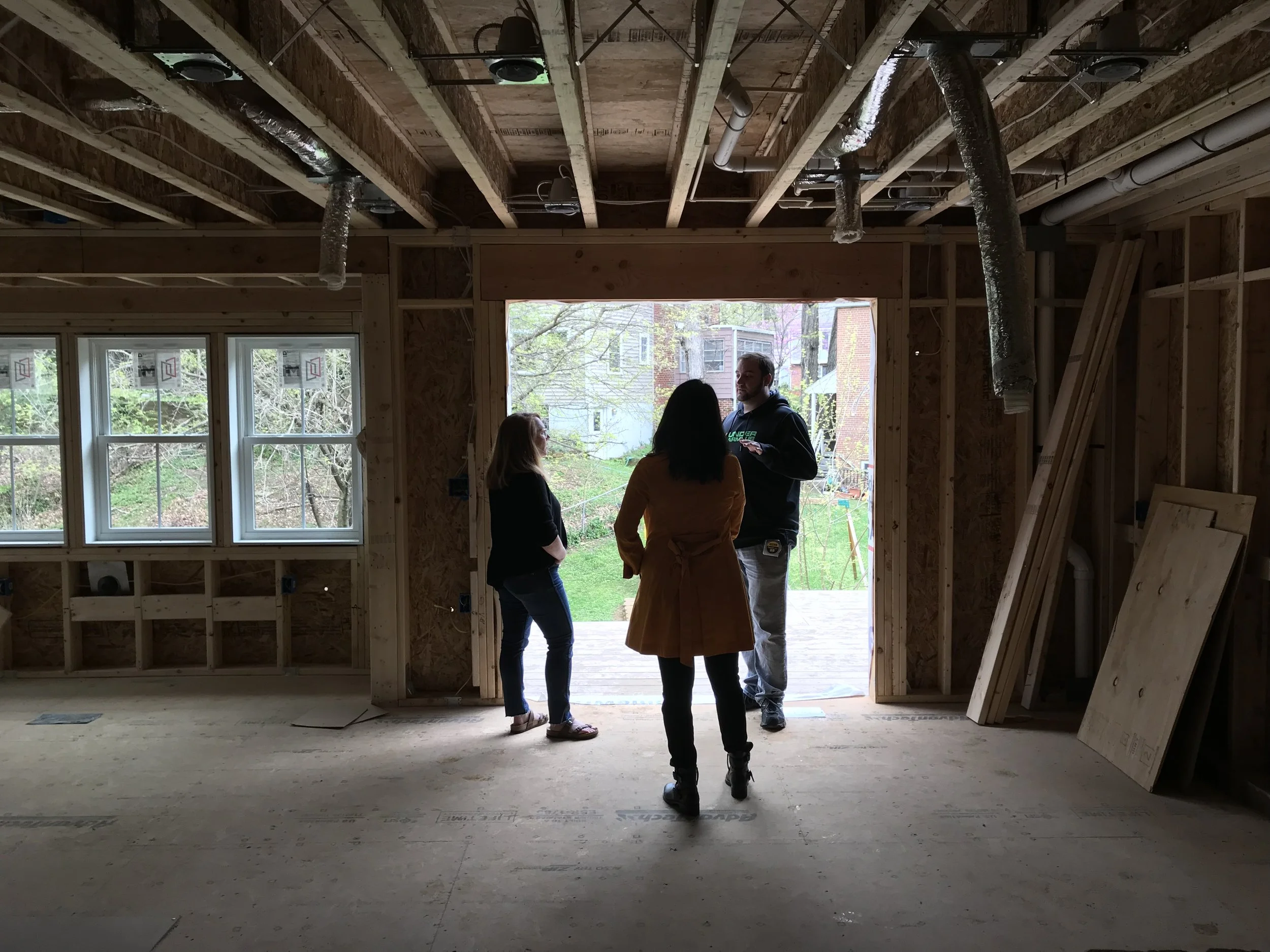
- Visit active job sites. A tidy, organized, safe job site tells you a lot about how a builder runs a project before you ever ask a question.
Aim for three to five builders to interview. Fewer than that limits your comparison; more than that gets hard to evaluate meaningfully.
Key Questions to Ask Every Builder
1. "Can I call two or three of your most recent clients?"
This is one of the most important questions you can ask — and how a builder responds tells you almost as much as the references themselves. Be specific: ask for recent references, ideally from homes completed in the last year or two, not a builder's greatest hits from a decade ago. Recent references reflect the builder's current team, current subcontractors, and current way of operating.
When you call, ask the references:
- Did the project finish close to the original budget and timeline?
- How were problems communicated and resolved when they came up?
- Would you use this builder again?
- Is there anything you wish you'd known before starting?
A builder who hesitates, stalls, or can only offer references from years ago is a signal worth paying attention to.
2. "How do you approach working with the architect?"
This question matters more than most homeowners realize. Your builder isn't just building for you — for most of the project, they're working alongside your architect, translating design intent into buildable reality. That relationship shapes almost everything about how smoothly your project runs.
You're listening for genuine enthusiasm here, not just a polite answer. A builder who's excited to collaborate with your specific architect — who asks questions about the design, who's familiar with (or eager to learn) the architect's style and standards, who sees the relationship as a partnership rather than a hand-off — is a builder who will make your project easier at every stage.
Watch for red flags too:
- Vague or dismissive answers about the architect's role
- A builder who suggests bypassing the architect on decisions
- Little curiosity about the design itself
If your architect already has a working relationship with the builder, ask both parties independently how that partnership has gone. Alignment here is often the difference between a project that flows and one that stalls.
3. "Can you walk me through how you estimate a project?"
Ask specifically whether the builder is willing to get involved during design, before drawings are finalized. Builders who only estimate off completed plans tend to deliver less accurate numbers and more surprises later. Builders who estimate collaboratively throughout design tend to keep projects on budget because cost feedback happens continuously, not all at once at the end.
4. "What does your current workload look like?"
A builder juggling too many projects may not have the attention your home needs. Ask how many projects they typically run at once and who on their team will be your actual day-to-day point of contact.
5. "How do you handle changes and unexpected issues?"
Every custom build hits at least a few surprises — a site condition, a material delay, a design change. You're not looking for a builder who promises nothing will go wrong; you're looking for one who can describe a clear, calm process for handling it when it does.
Trust Your Read on the Relationship, Too
Beyond the answers themselves, pay attention to how each builder makes you feel during the interview. Do they listen well? Do they ask thoughtful questions about your goals? Do they seem genuinely engaged with your project, or are they going through the motions?
You'll be working closely with this person for many months, often through stressful moments. Competence matters, but so does communication style and trustworthiness.
Let Your Architect Weigh In
If you've already chosen an architect, loop them into this process rather than making the decision in isolation. Architects who've worked with a builder before can tell you honestly whether that partnership tends to run smoothly — and a builder's willingness to engage with your architect early is itself a strong indicator of how the rest of the project will go.
The Bottom Line
Finding a good builder comes down to diligence: build a real shortlist, call recent references and ask pointed questions, and pay close attention to how enthusiastically a builder talks about working with your architect. The right builder won't just build your house — they'll partner with your design team to make the entire process feel collaborative instead of chaotic.
Want to know what happens once your team is in place? Read our guide on how to have a smooth building process for your custom home to see how early collaboration between your architect and builder sets the tone for everything that follows.