
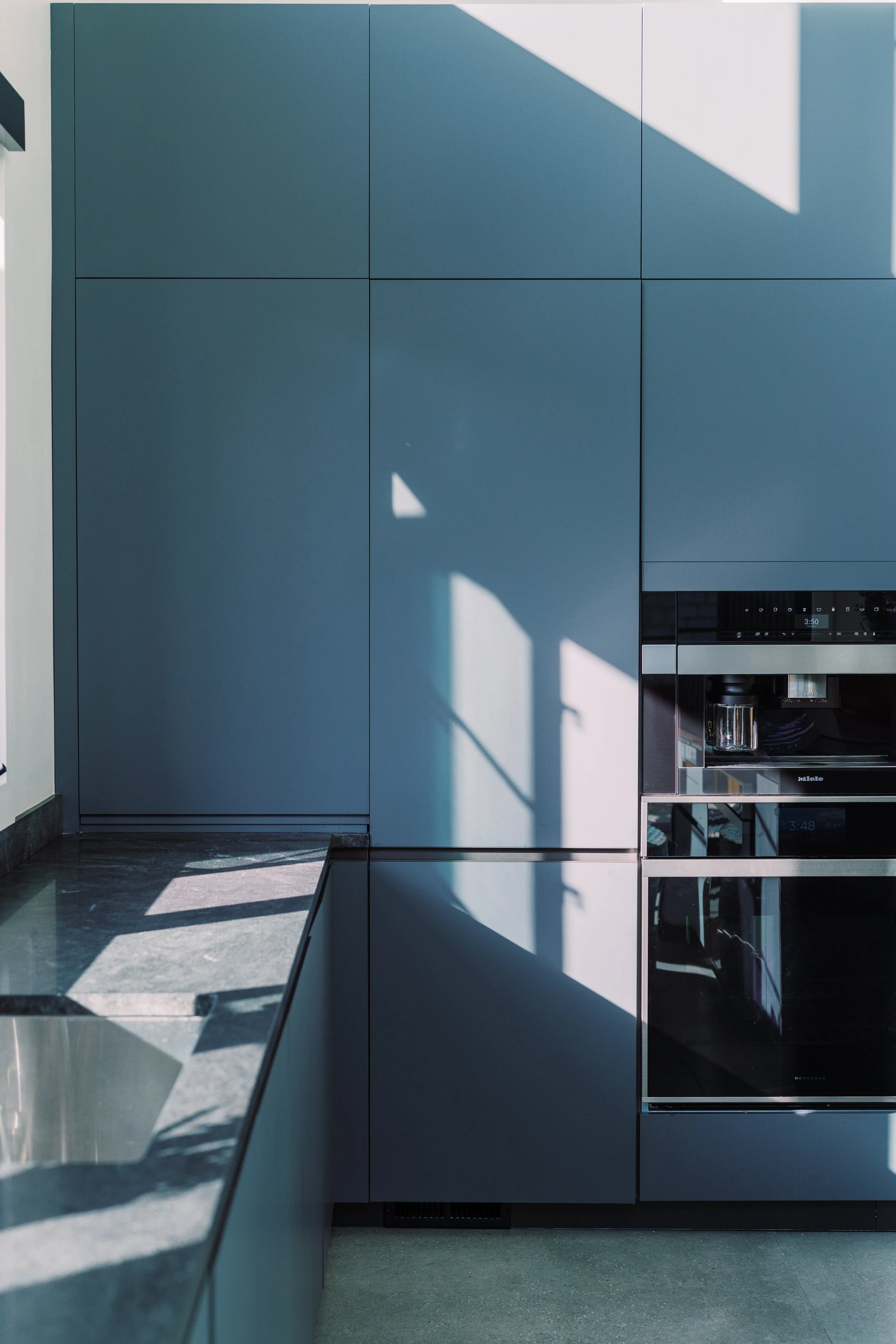

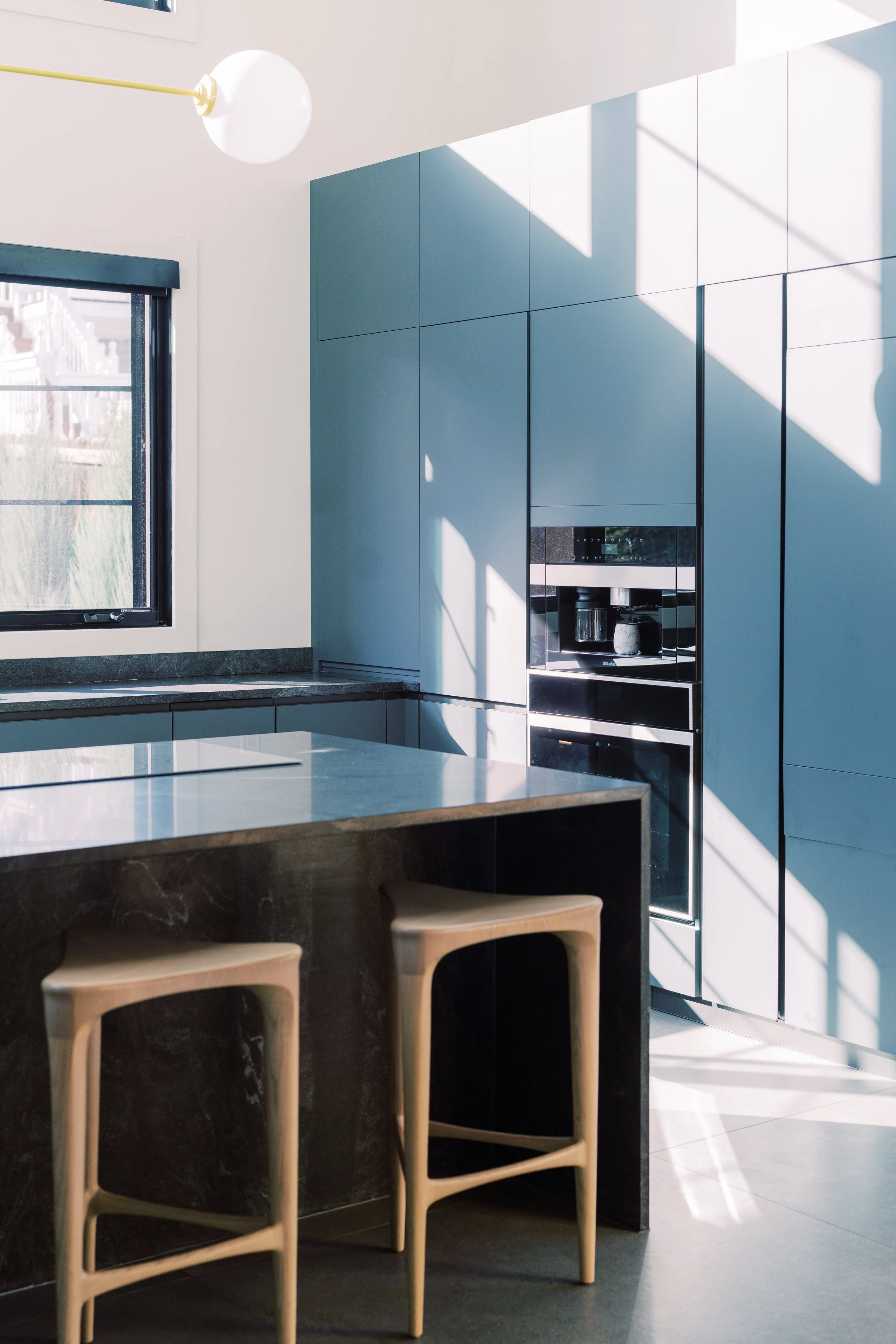
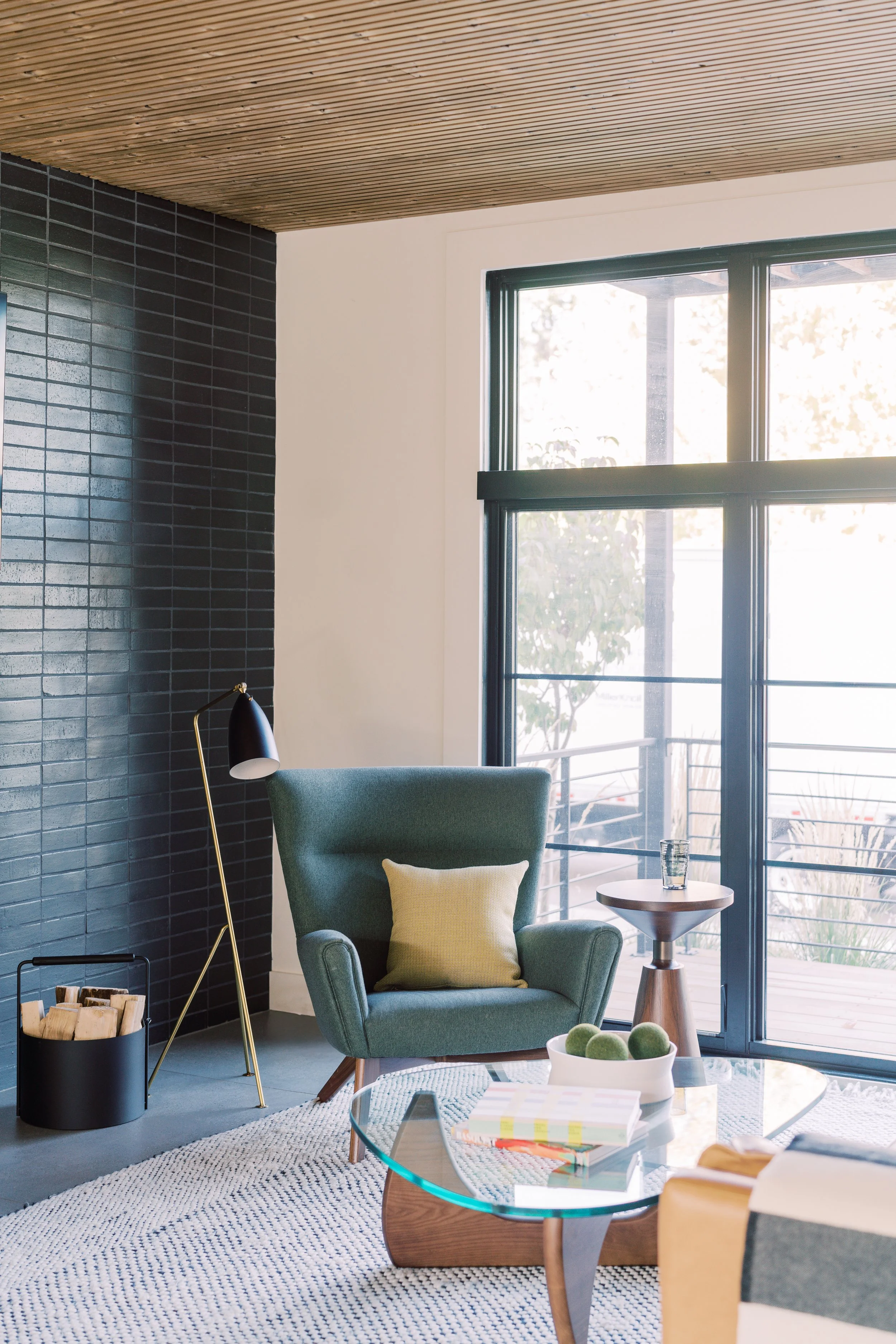
When planning a custom home, it's tempting to begin with the visible elements: the kitchen, the windows, the roofline, or the materials that will define the exterior. Those decisions are important, but some of the most consequential choices happen before the design is fully developed. Building orientation, overall form, window placement, insulation strategy, air sealing, and mechanical systems can all influence comfort, operating costs, and construction budgets. Addressing these issues early gives homeowners a better opportunity to make informed decisions.
Establish priorities before developing the design
Every client has a different set of priorities. Some want a striking contemporary home. Others are focused on energy costs, long-term durability, low-carbon construction, or a comfortable place to age in.
Many want all of these things.
The first step is to establish what matters most, understand the available budget, and identify any performance goals that should guide the project.
If net-zero energy or a high-performance building standard is a priority, it should be part of the initial project brief—not an aspiration added after the floor plan and exterior are already established.
Coordinate the architecture and the building science
A high-performance home is the result of many interconnected decisions.
The architectural design determines the building's form, spatial organization, window locations, and material expression. Building-science considerations influence the envelope, moisture management, thermal bridging, and air tightness. Mechanical design addresses heating, cooling, ventilation, and other systems.
These disciplines need to work together.
For example, a large window may be central to the design concept, but its orientation, glazing performance, shading, and detailing affect both comfort and energy use. A compact building form may help reduce exterior surface area, but the design must still meet the owner's spatial and aesthetic goals.
Early coordination makes it possible to explore alternatives before they become expensive to change.
Understand the trade-offs
High-performance construction involves choices, not a single universal solution.
A client might weigh the cost of upgraded windows against other envelope improvements, compare mechanical system options, or consider whether a certification program aligns with the project's goals.
The right answer depends on the site, climate, scope, budget, and the owner's priorities.
A thoughtful design process makes these trade-offs visible. It helps the client understand where investments may provide meaningful benefits and where a simpler approach may be appropriate.
Design for the way you want to live
Performance is only one measure of a successful home.
Daylight, acoustics, privacy, storage, circulation, indoor-outdoor connections, and the quality of everyday spaces all matter. The goal is to create a home that works as a whole: architecturally distinctive, comfortable to occupy, and responsive to its environment.
This is particularly important when sustainability is a major goal. The most effective high-performance home is one that people enjoy living in for years to come.
A better starting point for your project
At BARI Architecture, we believe the best residential projects begin with a clear understanding of the client, the site, and the opportunities available.
We work to integrate architectural design and sustainability from the earliest stages, helping homeowners navigate decisions about form, materials, performance, and budget.
If you're considering a custom home, an addition, or a major renovation in Boulder County or the greater Denver area, start the conversation early. A well-defined design strategy can help establish a stronger foundation for the entire project.
Contact BARI Architecture to discuss your vision for a thoughtfully designed, high-performance home.